
Kalamazoo, MI · Garage Door Service
Garage Door Service in Kalamazoo, Built for This Town's Housing Stock
Kalamazoo homes built between 1938 and 1993 wear out springs and rollers the same way winter after winter. Here's why, and what fixing it actually involves.
- Repairs & new doors
- Springs & openers
- Serving 7 nearby communities
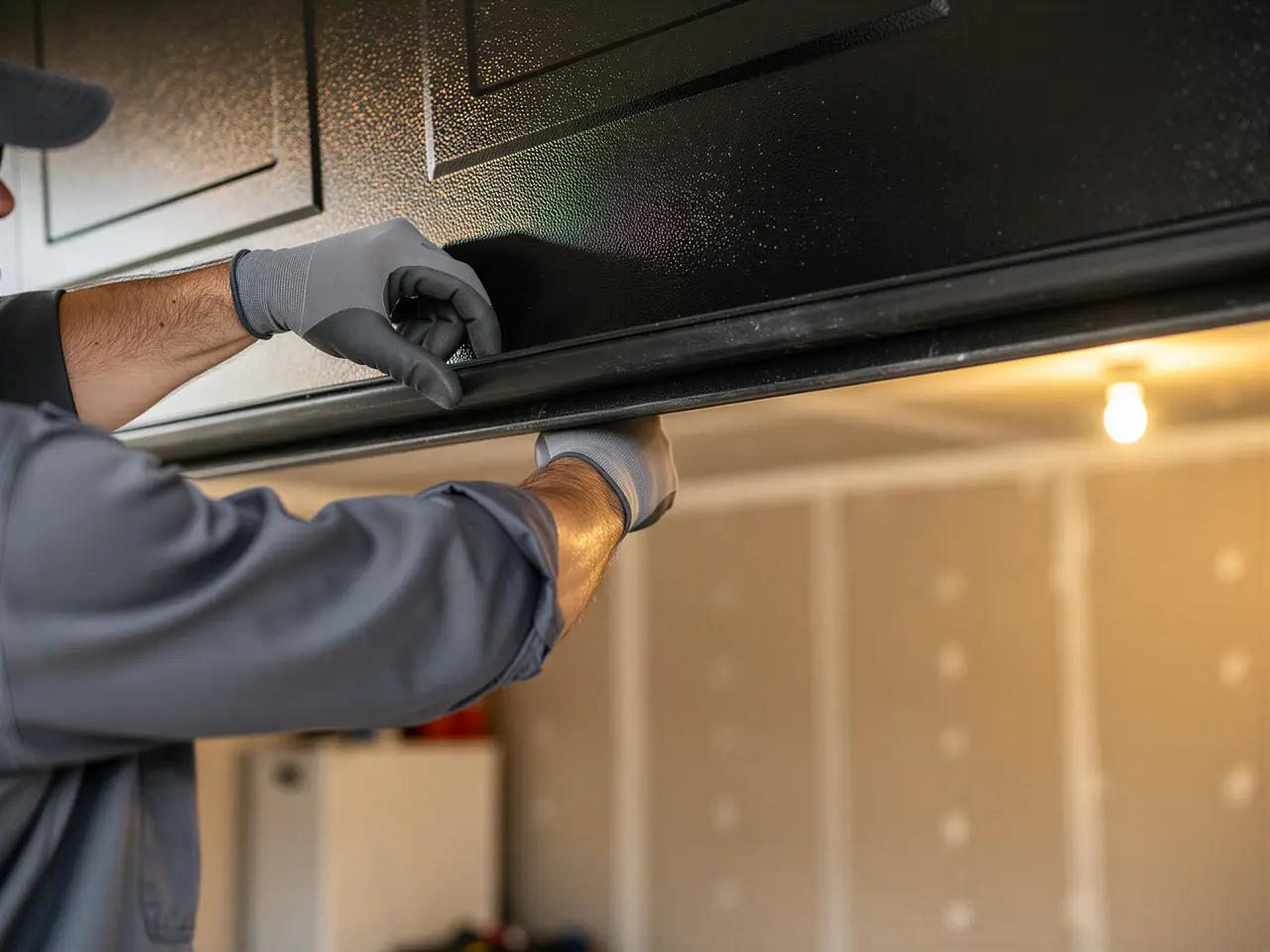
Stocked Parts
Most of the doors we get called on in Kalamazoo were installed when the house was built, or close to it, and that means stock dating back to the 1960s and 70s in a lot of neighborhoods. We carry torsion springs sized for the standard 7-foot and 8-foot sections that went into houses built from 1938 through the early 90s, plus the rollers, cables, and hinges that match that era of hardware. What we don't stock is anything custom - oversized commercial doors or specialty insulated panels from a renovation someone did last year. Those get ordered, and that can mean a wait. For the typical single-car or two-car residential door common across the 25 areas we work - Westwood, Eastwood, Edison, Milwood, Oakland/Winchell, and the rest - we usually have the part on the truck the day you call. That matters here because a cold-snap spring failure doesn't wait for a parts order, and a door stuck open in a Michigan winter isn't something you want to sit on.
What Causes It Around Here
The housing stock across Kalamazoo runs 1938 to 1993, with the median build year sitting around 1969. A torsion spring is rated for a number of open-close cycles, not years, but age and cold both shorten that number. In a severe cold climate like ours, steel contracts, lubricant thickens, and a spring that's been doing fine for three decades can snap on the coldest morning of the year because the metal has less give left in it. Houses from that 1960s-70s wave typically have a single torsion spring on a double door, not the dual-spring setup you see in newer builds, so when it goes, the door doesn't just get hard to lift - it won't move at all. Older openers from that same build era also weren't paired with the safety sensors required on anything installed since, which is its own separate issue we flag when we're out on a call. None of this is particular to one street or subdivision; it's the whole band of mid-century construction that rings the city.
What You Are Seeing
If the spring's gone, the door feels like dead weight the moment you try to lift it by hand, and an opener will strain, hum, and stop rather than finish the cycle. A cable that's frayed from decades of winter flex usually shows itself first as a door that goes up crooked, dragging on one side before it catches. Rollers original to a 1960s or 70s install - steel, not nylon - get loud as the grease dries out in cold weather, and you'll hear grinding before you ever see a failure. On older single-spring doors, a full snap is often sudden: a loud bang, then a door that either won't budge or drops fast if it was partway open. None of these are things to force past. A door that's fighting you on a cold morning is telling you the spring is near the end, not that it needs more muscle.
How We Fix It
Torsion spring replacement is the most common call we run on houses from Kalamazoo's 1960s-70s building wave, and for a single-spring setup it's usually a same-day job once we've confirmed the size and cycle rating. We replace cable and rollers at the same time if they're showing the same age-related wear, since a second trip for a part that was already failing doesn't save anyone money. For openers that predate current safety-sensor standards, we'll tell you straight if a repair is worth it versus a full opener swap - sometimes the housing and gears are fine and it's just the sensor wiring, other times the unit is old enough that parts aren't worth chasing. We don't recommend patching a cracked wood panel from that era; on doors that old, a damaged panel usually means it's time to talk about full replacement rather than a repair that won't match or hold up through another winter.
Frequently asked questions
Why did my garage door spring break in the middle of winter?
Cold makes steel less forgiving, and a spring that's already near the end of its cycle life is more likely to snap on a hard freeze than a mild day. Combine that with a house built in the 1960s or 70s - common across Kalamazoo - and you've got original or long-since-aged hardware meeting a severe cold climate. It's a predictable failure, not bad luck.
Do you carry parts for older garage doors common in Kalamazoo?
Yes, for the standard sizes and hardware typical of houses built here between 1938 and 1993, which covers most of the city's housing stock. Custom or oversized doors sometimes need an ordered part, but the common torsion springs, cables, and rollers from that era are usually on the truck already.
Is it better to repair or replace an old garage door opener?
Depends on what's actually wrong. If the motor and gears are sound and it's a sensor or wiring issue, repair makes sense. If the unit predates current safety-sensor standards and the housing itself is worn, we'll tell you when replacement is the better long-term call instead of patching something that'll need another visit soon.
Related services
Related guides
Book garage door service in Kalamazoo
Call now or request a quote - tell us what the door is doing and where you are.